
Identify and eliminate aphids before they ruin your landscape. Blooming Yards Landscaping shares expert tips on organic control, prevention, and saving your plants from infestation.
The Hidden Threat to Your Lush Greenery
They are tiny, pear-shaped, and often invisible until the damage is done. Aphids (commonly known as Mahla or Lahi in various Indian regions) are among the most persistent pests in hot climates. While they might look harmless, these sap-sucking insects can stunt growth, curl leaves, and transmit plant viruses that can devastate an entire landscape.
At Blooming Yards, we prioritize integrated pest management—focusing on long-term health rather than just quick chemical fixes.
1. How to Identify an Aphid Invasion
Aphids rarely travel alone. If you notice any of the following, your plants are likely under attack:
-
Clustered Colonies: Check the undersides of leaves and the "soft" tips of new stems. You’ll see clusters of green, black, yellow, or even woolly white insects.
-
Sticky Residue (Honeydew): Aphids excrete a sugary liquid called honeydew. If your plant leaves look shiny or sticky, aphids are nearby.
-
Sooty Mold: That sticky honeydew often grows a black, charcoal-like fungus called sooty mold, which blocks sunlight from the leaves.
-
Ant Traffic: If you see a sudden "highway" of ants climbing your plants, they are likely "farming" the aphids for their honeydew.
2. Why Are They in Your Garden?
In hot regions, aphid populations explode during the spring and early summer. Two main factors contribute to their success:
-
Over-Fertilizing: Excessive Nitrogen fertilizer produces a flush of soft, succulent green growth—which is like an "all-you-can-eat" buffet for aphids.
-
Lack of Biodiversity: A garden with only one type of plant is a sitting duck. Natural predators need a variety of plants to thrive.
3. The Blooming Yards Approach to Control
Before reaching for harsh chemicals that kill "good" bugs like bees and ladybugs, try these professional-grade organic solutions:
A. The Blast Method (Immediate)
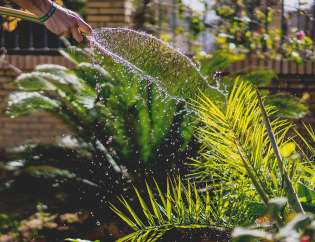
For light infestations, a strong stream of water from a garden hose can physically knock aphids off the plant. Since they are weak crawlers, most will not be able to find their way back.
B. Homemade Organic Spray
Mix 1 tablespoon of mild liquid soap with 1 liter of water. Spray this directly on the insects. The soap dissolves their protective outer coating, causing them to dehydrate.
-
Pro Tip: Add a teaspoon of Neem Oil to this mixture for a powerful, organic double-whammy that also prevents future hatchings.
C. Nature’s Bodyguards (Biological Control)
The most sustainable way to manage aphids is to invite their enemies. Ladybugs and Lacewings can eat hundreds of aphids a day. Planting "pollinator-friendly" flowers like Shasta Daisies, Marigolds, or Sweet Alyssum nearby will keep these predators in your garden year-round.
4. Vulnerable Species in Indian Landscapes
While aphids attack many plants, we frequently see them on:
-
Hibiscus & Roses: Especially on the new buds.
-
Vegetables: Chili, Tomato, and Lemon trees.
-
Bougainvillea: During the peak growth season after pruning.
Conclusion
Early detection is the secret to a pest-free landscape. By walking your garden twice a week and checking the new growth, you can stop an aphid colony before it spreads. A healthy garden starts with healthy soil and a watchful eye.
Is your garden struggling with persistent pests? Consult the experts at Blooming Yards Landscaping for a comprehensive plant health audit and sustainable maintenance plan.